By Sunday Dare
“This border reopening reflects a balanced and pragmatic approach to governance that recognises the link between economic inclusion, regional diplomacy, and national security”.
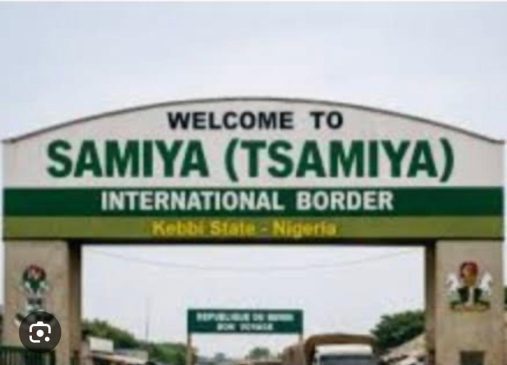
The recent opening of the Kamba and Tsamiya border routes by President Bola Ahmed Tinubu is both timely and strategic. The livelihoods of northern communities that straddle the Nigeria–Niger border have been significantly revived. Nigeria–Niger relations have been strengthened, and commercial activities, particularly the automobile, transport, and logistics business across both sides of the border, are back in full swing.
Beyond these immediate gains, the reopening of the Kamba and Tsamiya corridors has restored economic life to communities that depend almost entirely on cross-border movement for trade, agriculture, transportation, and small-scale commerce. For many families in these border areas, this decision has translated into renewed income opportunities, reopened markets, and a return to lawful economic activities after a prolonged period of restriction.
The positive impact is already evident across border towns and transit corridors, where traders, transport unions, artisans, and logistics operators have resumed operations. Agricultural produce is once again moving through recognised routes, local markets are regaining vitality, and businesses linked to vehicle sales, spare parts, and cross-border haulage are experiencing renewed demand. These developments are critical for employment generation and economic stability in northern Nigeria.
Diplomatically, the reopening of these routes has reinforced people-to-people ties and mutual trust between Nigeria and the Republic of Niger. Border communities separated by colonial boundaries share deep cultural, historical, and family bonds. By restoring lawful movement through established border points, the administration has strengthened regional cooperation and reaffirmed Nigeria’s role as a stabilising leader within the West African sub-region.
From a strategic and security perspective, functional and regulated borders offer better oversight, intelligence coordination, and cooperation than prolonged closures that often push activities into informal channels. The reopening of Kamba and Tsamiya provides an opportunity for improved monitoring, stronger engagement with neighbouring authorities, and greater involvement of local communities in maintaining peace and security along the border corridors.
This border reopening reflects a balanced and pragmatic approach to governance that recognises the link between economic inclusion, regional diplomacy, and national security. It is a decision that directly addresses the realities of border communities while advancing Nigeria’s broader economic and diplomatic interests, and it stands as a clear demonstration of responsive and people-centred leadership.
The healthy relations and collaboration between Nigeria, the Niger Republic and Republic of Benin need to be highlighted. The Comptroller-General of the Nigerian Customs Service, Dr Bashir Adewale Adeniyi, painstakingly ensured that both countries were fully committed to respecting international trade protocols before the reopening of the Kamba and Tsamiya border routes, which have already stimulated economic activity.
Apart from the three countries’ collaboration for prosperity, the Kebbi State Government, border communities, and security outfits were also consulted and sensitized on the benefits, technicalities and use of new technology for monitoring border routes and the implications for trade and security.
Again, President Tinubu’s vision and initiative are driving a win-win for economic diplomacy for the West Coast.
–Dare is Special Adviser to President Tinubu on Media and Public Communication