
By Emmanuel Nicholas
One cannot don the robes of a reverend and still pretend to serve in a shrine; appearances of sanctity must be matched by the integrity of action. Yet some people take perverse delight in denigrating Akwa Ibom State, the very land of their birth, while loudly professing patriotism.
They seize every opportunity to demonize the transformations underway in the state, as if progress were a betrayal rather than a source of pride.
To compare the modernization now visible in Akwa Ibom with developments in Abia State is to compare fundamentally different trajectories. Such comparisons are often incommensurate, like placing the scale and speed of China’s industrial surge alongside Britain’s gradual evolution, and therefore misleading.
I recall a broadcast that attempted a stark comparison between Britain and China and provoked fierce debate; grand, sweeping analogies rarely capture the complexities involved.

The current administration in Abia State has its merits, and it benefits from the foundation laid by less-committed leaders who came before. In that context, modest achievements can appear impressive. But it is disingenuous to use those relative gains to diminish the far-reaching initiatives being undertaken in Akwa Ibom under Governor Umo Eno. To do so is not honest critique but cynical opportunism.
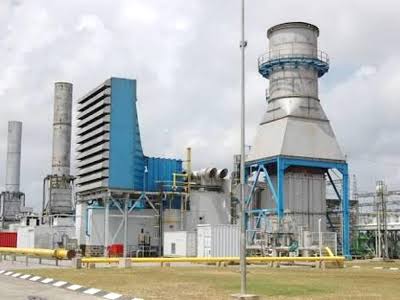
Over the past seventeen years, Akwa Ibom State has been the locus of a continuously operational power-generating facility that has contributed electricity to the national supply stream, from which neighboring Abia State has, in turn, derived measurable benefit.
The Ibom Power Plant, situated in Ikot Abasi, currently operates Phase 1 with an installed and dispatching capacity of 191 megawatts fueled by natural gas; notwithstanding this present output, the operating company retains regulatory authority to undertake staged expansions, having been licensed to increase the plant’s aggregate capacity to as much as 685 megawatts to accommodate future projects.
And Governor Umo Eno is the first Nigerian governor to receive authorization to sell the power his state generates directly to the public.
That milestone, however, is only the beginning of a complex process. Licensing is just one step in a long chain that includes designing and building generation capacity, modernizing transmission infrastructure, establishing downstream distribution, and creating robust commercial, regulatory, and operational systems to connect all elements reliably and transparently.
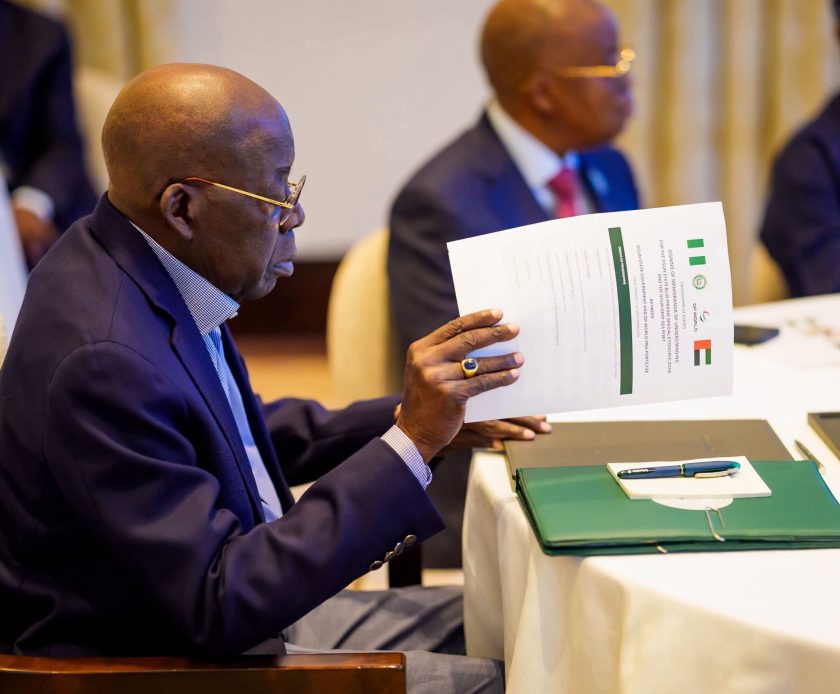
To this end, the Akwa Ibom State Government has enacted a power bill that defines how the Ibom Power initiative will be structured and managed.
The state subsequently convened experts and industry leaders from across the globe to advise on practical and technical paths forward. Several critical obstacles were identified: outstanding indebtedness between Ibom Power and its gas supplier (reported payments exceeding one billion naira have been made to stabilize gas supply), aging transmission lines that must be replaced or upgraded, and a clear need for more substations, switchgear, and full digitization of network controls.
Contracts for new transmission infrastructure have been awarded, and a phased handover and corporate restructuring are planned that will establish separate entities for generation, distribution, and power marketing.
Given these concrete steps, it is unreasonable to equate Governor Umo Eno’s power-sector achievements with those of counterparts in Abia State that do not yet operate independent power plants and lack authorization to sell generated power to consumers.
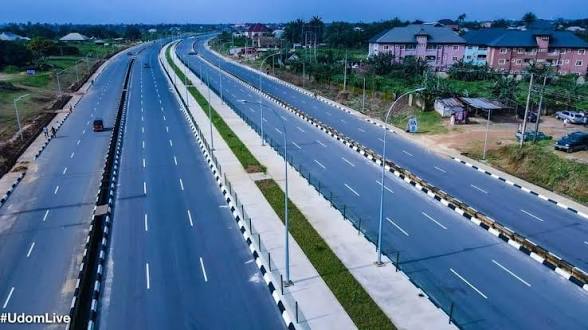
Similarly, praising another state government for the sole purpose of undermining Akwa Ibom’s accomplishments is not constructive criticism; it is an unfair campaign intended to obfuscate real progress. Akwa Ibom is simultaneously undertaking an ambitious road programme of about 1,300 kilometres. Approximately 200 kilometres have been completed, and many other segments are at various stages. The state is funding these projects with transparency and determination.
Roads in Akwa Ibom State are characterized by high-quality, durable construction, often featuring 8-metre-wide asphaltic paving, 1.5-metre shoulders on both sides, reinforced concrete drains, and advanced stormwater management.
There is no State in Nigeria to compare Akwa Ibom with, when it come to quality of roads construction and good road networks
Looking ahead, the next milestones to watch will be the successful commissioning of new generation capacity, the synchronization of that capacity with upgraded transmission infrastructure, and the seamless integration of a modernized distribution network.
The government of Governor Umo Eno has set a realistic timetable for these steps, with clear public reporting at each stage.
The milestones will be met and challenges will be addressed transparently, because the governor wants public trust to grow and he is confident the private sector will invest further in the state’s energy ecosystem.
Governor Umo Eno is building reliable power and improved road connectivity, which have a multiplier effect on Akwa Ibom’s economy. Businesses can expand production, small and medium enterprises can operate more profitably, and social services, from healthcare to education, will benefit from the dependable electricity that Ibom Power Company will supply.
These outcomes justify the careful planning and upfront investment the state is undertaking; short-term inconveniences or costs must be weighed against long-term gains in productivity and living standards.
Criticism has its place in democratic governance, but it must be principled, evidence-based, and aimed at strengthening institutions rather than scoring political points.
In conclusion, Akwa Ibom’s trajectory under Governor Umo Eno reflects an administration pursuing systemic solutions: legal frameworks, infrastructure investment, corporate restructuring, and international engagement to deliver power and mobility to its people.
Those who love their state should celebrate genuine progress where it occurs, interrogate shortcomings constructively, and work toward shared prosperity rather than settling for partisan attacks that obscure the real work of governance.