By Perekeme Odon
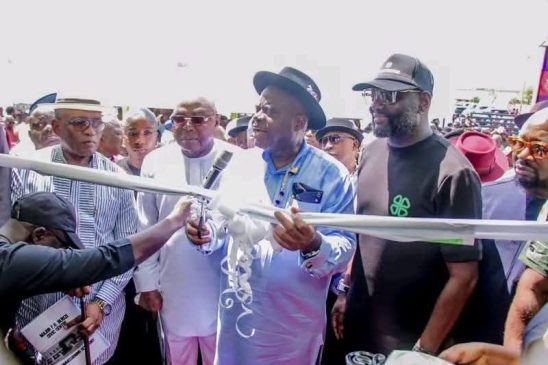
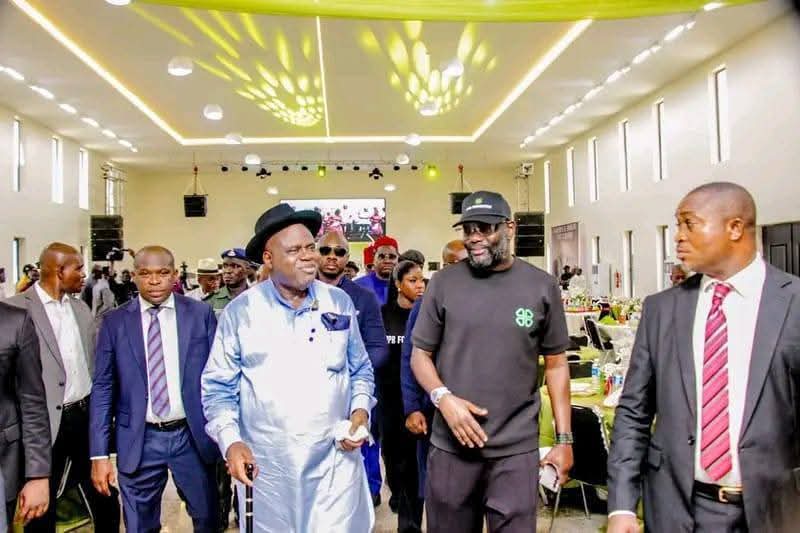
KAIAMA, Bayelsa State — On 17 April 2026, a wave of civic pride rolled through Kaiama in Kolokuma Opokuma Local Government Area on commissioning day as Governor Douye Diri and businessman Engr. Preye Berezi opened the doors of the Major F. G. Berezi Civic Centre, a 1000-seat edifice now standing as both architectural statement and social promise.
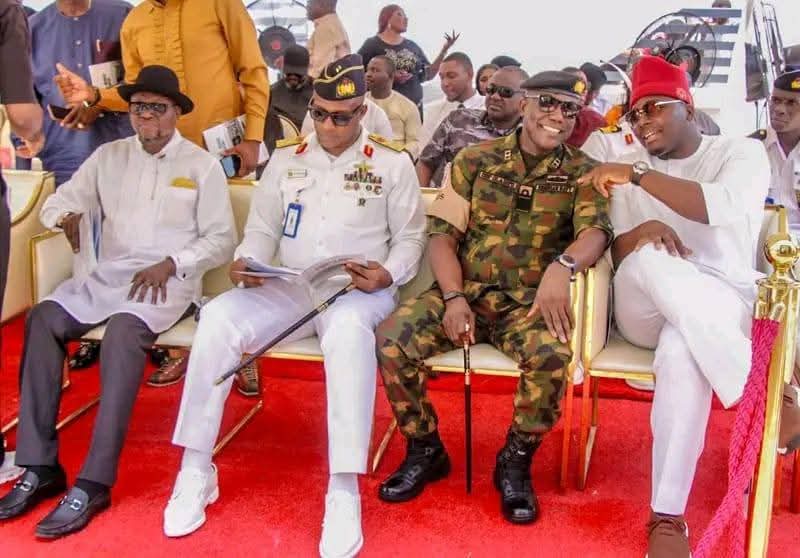
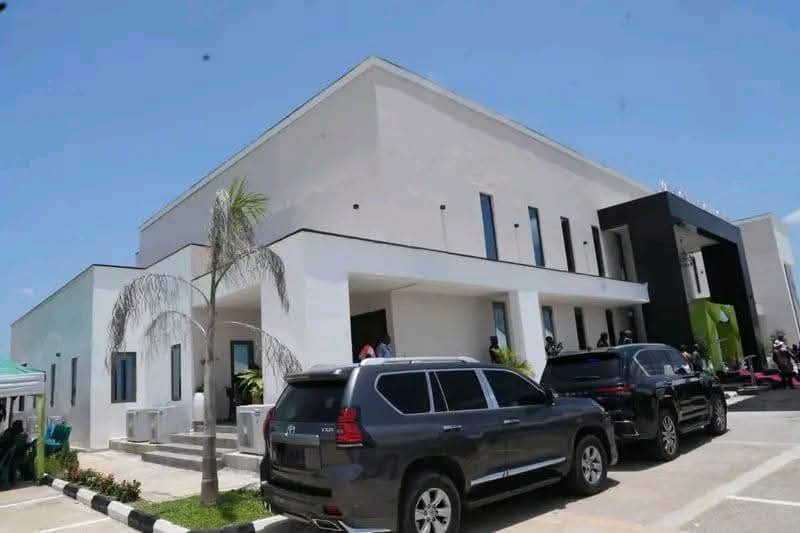
At the centre of the gathering was a narrative that stretched beyond concrete and steel. It was a story of return, of private wealth meeting public need, and of a community long accustomed to gathering under exposed spaces now offered a sheltered hall of possibility.
Governor Diri, visibly impressed, framed the moment in blunt political honesty and civic philosophy. Government, he said, has limits in commerce and development execution, but citizens with vision can change the trajectory of their communities.
He told the audience that Berezi had answered a call he had often made to indigenes of the state to invest at home rather than abroad.
“There is no monopoly on who can develop our communities,” Diri said. “When you give back to society, everyone benefits. This project should be an eye-opener to our youths. Being a youth is a beautiful thing. But they should dream big, work towards it, and realise that their destiny is not in the hands of any politician.”
His remarks carried the cadence of both warning and encouragement, delivered in a tone that mixed governance with exhortation. He added that his administration had continued to open the state to investors, noting that development anywhere in Bayelsa under his leadership remained a shared victory.
The civic centre itself, built through the Preye Patrick Berezi Foundation, drew praise not only for its scale but also for symbolism. For Kaiama, it replaces years of informal gatherings held in exposed public spaces with a structured hall designed for community, ceremony, and civic life.
Chairing the event, Engr. Gesi Asamaowei described Berezi not as an exception but as an example of what citizens could become when they choose impact over distance.
He praised the decision to complete and donate the project without waiting for government intervention, calling it an act that should define modern community leadership.
“Posterity will be kind to him for this laudable edifice,” he said, invoking a moral register that tied legacy to responsibility and remembrance.
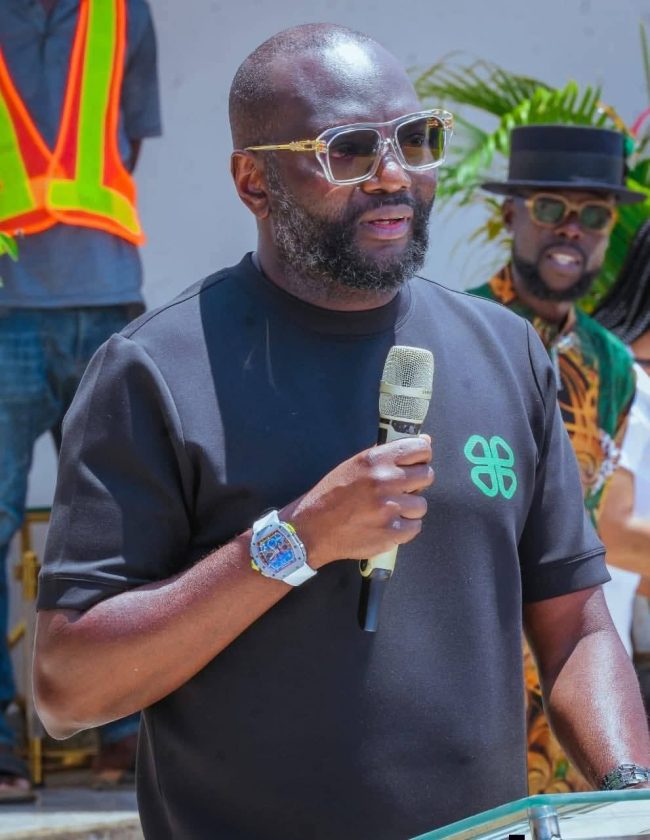
For Berezi, Chief Executive Officer of PFL Engineering Services, an oil and gas services company, the structure is deeply personal. He traced the idea back to childhood visits with his parents, when he observed that community gatherings often lacked proper shelter and dignity.
He spoke with restrained emotion, grounding his philanthropy in memory and attachment.
“I love the people of Kaiama and will never stop doing more for them from my hard-earned resources,” Berezi said. “They value me, and I will never take that for granted.”
He added that the facility would be handed over fully to the community, with no personal control retained, and urged residents to maintain it with care and respect.
In a forward-looking pledge that drew renewed applause, he announced plans for a mini-stadium project in Kaiama, extending his footprint of community infrastructure.
Voices from across the state reinforced the significance of the moment.
Among the goodwill voices, retired General Stanley Diriyai, former president of the Nigeria Football Federation Amaju Pinnick, and Bayelsa State Commissioner for Information Orientation and Strategy Mrs Ebiuwou Koku Obiyai all commended the gesture, framing it as a model of private initiative anchored in public benefit.
The guest list underscored the civic weight of the occasion. Present were former deputy governor Rear Admiral Gboribiogha John Jonah; former Niger Delta Development Commission managing director Chief Ndutimi Alaibe; service commanders; members of the state executive council; and traditional rulers from Kolokuma Opokuma.
The gathering, though ceremonial, carried an undercurrent of argument about development itself. Not as policy alone, but as a personal decision. Not as a distant promise, but as local construction.
In Kaiama, the argument had a shape. It was a hall of seats, a raised roof, and a community no longer waiting under open skies for its next gathering.
What emerged in Kaiama was not a spectacle of excess but a structured assertion that development can arrive from within, that civic pride can be privately financed, and that public space can still be reclaimed one building at a time.